Installing gutter guard screens is one of the smartest investments a homeowner can make for maintaining a clean, efficient rain gutter system. Whether you are tackling a DIY project or considering professional installation, understanding the types, benefits, and step-by-step process is essential for long-lasting gutter protection. This guide will walk you through everything you need to know about gutter guard screens installation, helping you enjoy debris-free gutters and reduced maintenance throughout the year.
What Are Gutter Guard Screens?
Gutter guard screens are protective covers designed to keep leaves, twigs, and other debris out of your gutters while allowing rainwater to flow freely into your drainage system. These screens serve as a barrier that minimizes clogging, thereby reducing the risk of water damage and costly repairs.
There are several types of gutter guard screens available:
- Mesh: Made from durable metal or plastic mesh with medium to large openings, mesh gutter guards filter out larger debris but may allow smaller particles through. Screen: Similar to mesh but usually with wider grids, these are simple and cost-effective for basic protection. Micro-Mesh: Featuring extremely fine holes, micro-mesh guards provide superior filtration by keeping out fine debris like pine needles and shingle grit, offering the highest level of gutter protection.
The benefits of installing gutter guard screens include not only hassle-free rain gutter maintenance but also improved water flow, protection against gutter overflow, and prevention of pest infestations.
Why Install Gutter Guard Screens?
Installing gutter guard screens offers multiple advantages for your home’s gutter system and overall property health:
- Prevent Clogged Gutters: Guards stop leaves and debris from accumulating and blocking gutters, ensuring smooth water drainage. Reduce Maintenance: With gutters protected, you’ll spend much less time and effort on cleaning, lowering the frequency of maintenance tasks. Protect Home Foundation: Proper drainage prevents water from pooling near your foundation, which can cause structural damage and basement flooding. Improve Water Flow: Gutter guard screens promote consistent water flow by preventing buildup, which helps prolong the life of gutters and downspouts. Reduce Pest Problems: Covered gutters deter birds, rodents, and insects from nesting in clogged areas.
These benefits collectively enhance your home's value and safety while saving time and money on ongoing repairs and upkeep.
How to Install Gutter Guard Screens: Step-by-Step Guide
Installing gutter guard screens can be a straightforward task with the right preparation and tools. Follow these detailed steps for a successful installation:
Tools Needed for Installation
- Ladder (ensure it’s sturdy and tall enough for your gutters) Measuring tape Tin snips or heavy-duty scissors for cutting mesh Screwdriver or drill Screws or clips (often included with gutter guards) Work gloves (to protect hands from sharp edges) Safety goggles Caulk or sealant (optional, for extra waterproofing)
Preparing Your Gutters
- Clean gutters thoroughly to remove dirt and debris before installing screens. Inspect gutters for damage, leaks, or loose sections and repair them to ensure proper fitting. Trim any overhanging branches nearby that could drop debris onto your gutters.
Measuring and Cutting Gutter Guard Screens
- Measure the exact length of each gutter section to be covered. Mark measurements on the gutter guard screen material and use tin snips to cut pieces precisely. Allow a small overlap where sections meet for complete coverage.
Fastening Methods
Gutter guard screens can be attached downtown denver gutter cleaning using various methods depending on the product type:
- Screws: Provide secure attachment; screw guards directly onto the gutter’s front edge. Clips: Snap-in clips offer easy installation that doesn’t damage gutters and allow quick removal. Snap-In Systems: Some guards are designed to snap under the gutter’s lip or on the fascia board for a tool-free installation.
Choose the fastening method recommended by the manufacturer for best results.
Tips for Safe Installation
- Always follow ladder safety guidelines—use a stable ladder placed on level ground and avoid overreaching. Wear gloves to prevent cuts from sharp edges on metal screens. Work with a partner if possible, especially when handling long pieces of gutter guard material. Test fit each section before fastening to ensure proper alignment.
Common Installation Mistakes to Avoid
- Failing to clean gutters before installation, which reduces guard effectiveness. Incorrect measurement leading to poorly fitted guards. Using the wrong type of fasteners, risking premature detachment. Neglecting safety precautions during ladder use.
Professional Installation vs DIY: Which Is Right For You?
Choosing between hiring a professional or installing gutter guard screens yourself depends on several factors:
Factor DIY Installation Professional Installation Cost Lower upfront costs; buy materials Higher due to labor and service fees Time & Effort Time-consuming, requires DIY skills Fast and efficient with expertise Skill Level Needs basic handyman knowledge Expert assessment and customized fit Quality & Warranty Dependent on your work quality Often includes workmanship warranty Safety Requires own ladder safety precautions Professionals have safety equipmentIf you enjoy hands-on projects and want to save money, a DIY gutter guard installation can be rewarding. However, for large or complex roofs, or if you prefer guaranteed results without climbing ladders, professional services offer peace of mind and expert craftsmanship.
Types of Gutter Guard Screens Best for Easy Installation
Certain gutter guard screens are designed with user-friendliness in mind, making them ideal for DIY installation:
- Aluminum Mesh Guards: Lightweight, rust-resistant, and easy to cut to size. Their sturdy frame fits snugly on gutters with simple clips or screws. Plastic Screen Guards: An affordable option often sold in roll form—cut to length and fastened with snap clips. Micro-Mesh Guards with Snap-In Design: Provide superior debris filtering and install quickly without tools by snapping into place.
Top 5 Gutter Guard Screens for Easy Installation:
Product Type Pros Cons Price Range Aluminum Mesh Durable, corrosion-resistant Slightly higher cost $$ - $$$ Plastic Screen Affordable, easy to handle Less durable in extreme weather $ - $$ Micro-Mesh with Snap Excellent debris filtration More expensive $$$ Foam Inserts Simple to install, flexible Can clog over time $ - $$ Reverse Curve Guards Effective water flow control Complex installation $$$Choose products that come with clear installation instructions and manufacturer support to ensure success.
Maintenance Tips After Installation
Even gutter guard screens require occasional maintenance to keep performing optimally:
- Cleaning Frequency: Inspect and clean gutters once or twice a year, especially after fall leaf drop. Inspection Tips: Look for any displaced guards, debris buildup on top of screens, and signs of rust or damage. Troubleshooting: If water overflows or gutters clog, check for improper guard fitting or gaps allowing debris entry. Minor Repairs: Replace damaged sections promptly to maintain full gutter protection.
Routine maintenance ensures your investment lasts and reduces the risk of costly repairs.
Frequently Asked Questions about Gutter Guard Screens Installation
Can I install gutter guard screens myself?
Yes, with proper tools, measurements, and safety precautions, many homeowners successfully install gutter guards themselves. However, professional help may be advisable for complex roofs or safety concerns.
How long does installation take? professional gutter cleaning denver
Installation time depends on gutter length and guard type but typically ranges from a few hours to a full day for an average-sized home.
Are gutter guard screens compatible with all gutter types?
Most gutter guard screens fit standard aluminum, vinyl, and steel gutters. It’s important to verify compatibility with your gutter profile before purchase.
What tools do I need?
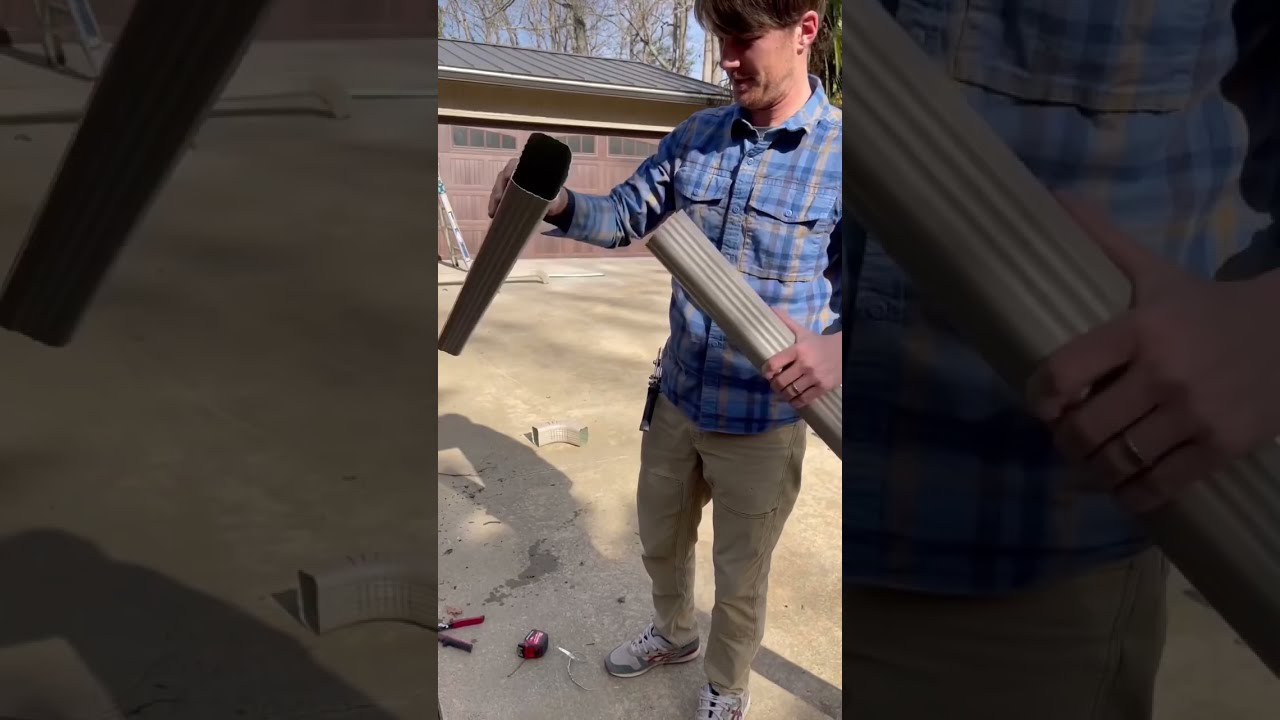
How much does professional installation cost?
Professional installation costs vary widely by region and roof complexity, typically ranging from $300 to $1,000 or more. DIY denver gutter cleaning services installation can significantly reduce this expense.
Installing gutter guard screens properly protects your home’s gutter system from debris and damage while reducing maintenance efforts year-round. Whether you choose a DIY approach or hire experienced professionals, selecting the right type of gutter guard and following systematic installation steps will ensure durable, effective gutter protection. Start your installation project today and enjoy cleaner, clog-free gutters for years to come!